

About Kerf(s)
Culture Kerf(s) The site Kerf(s) alludes to culture kerfs or kerfs of culture. As known, in the exclusive sense, culture refers to forms of art and cultural heritage. In a wider sense, it is also about cultural customs, habits and mores as forms of thoughts and behavior. Expressions of these forms may be engraved and ingrained as well as eroded and faded. While reflecting a broad spectrum, the interpretations of kerfs range from signs of education, enlightenment, and belonging to scars by structural inequality and disrespect.
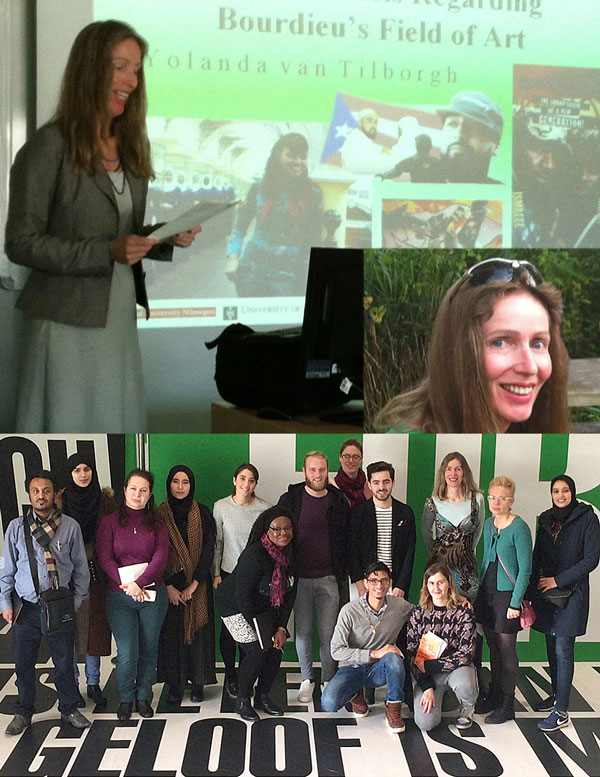
Cultural Patterns As an independent cultural sociologist and lecturer of NT2, I am concerned with the meaning and implications of cultural processes in art, language, and religion or spirituality. In these kinds of domains, notions of culture may literally or symbolically manifest themselves in kerfs or cultural markers. Along with the relationships between the individual and the social in societies, cultural processes literally or symbolically generate as well as constitute kerfs. In any respect, these processes leave tracks. As markers, kerfs thus relate to cultural developments, often representing dynamic, collective cultural patterns. Kerf(s) engages in circumscribing and defining these invisible significant patterns in texts and graphics.
Second Language (NT2) Learning a second language means engraving new words and structures in oneself. This process requires both recognizing and appreciating the understandings of formerly learned languages and kinds of communications as well as eliminating some of the interferences resulting from these previously primary languages. Pursuing to think and communicate directly out of a new primary language is like an imperative call to Kerf!
Education My educational experiences in the above mentioned fields of cultural knowledge and practices derive from the international university of applied sciences for Fine Arts and Design, the Gerrit Rietveld Academie in Amsterdam; Cultural Sociology (cum laude) at the University of Amsterdam (UvA); and Post Bachelor Lecturer NT2 at the Fontys University in Tilburg.
Social Cultural Research
Debate on Islam and Emancipation (“Het Ayaan-Effect”) My research at the University of Amsterdam on Muslim women and the cultural (anti-)Islam debate comprised the analysis of Dutch media during the last decade of the twentieth century and the first decade of the present century. Combining these findings with those from in-depth interviews, the study has culminated in the book Wij zijn Nederland: Moslima’s over Ayaan Hirsi Ali (“We are the Netherlands: Muslim women about Ayaan Hirsi Ali”) and the book chapter Het Islamdebat en de Strategische Emoties van Moslima’s (“The Islam Debate and Strategic Emotions of Muslim Women”).
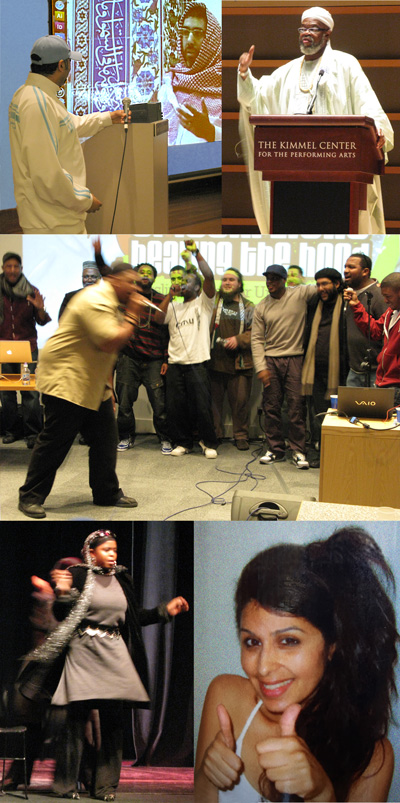
Orientations to Art and Islam (“Singing or Sinning”) Based on numerous interviews and cultural events, my study of the performing arts in Islam at the Radboud University Nijmegen, conducted among Muslim performing artists in the UK and the US, has generated various perspectives on the complex interaction between art, culture (including ethnicity), and religion. Conversion Strategies and the Power to Define discusses the righteousness of piety as the explanatory factor in the academic field. The book chapter From Hell to Heaven: The Malcolm X Narrative of Muslim Artists focuses on important inspirational sources and other clarifications. Inspired by distinguished sociological theories, the dynamics in finding congruity between artistic aspiration and religious beliefs are further analyzed in the article Career Trajectories and (In)Formalization among Muslim Performing Artists in the UK and the US. Lastly, the article Islam, Culture and Authoritative Voices in the UK and the US, reveals the induced pattern of cultural views to art, culture, and religion in relation to authoritative influences and ethnic identities.